
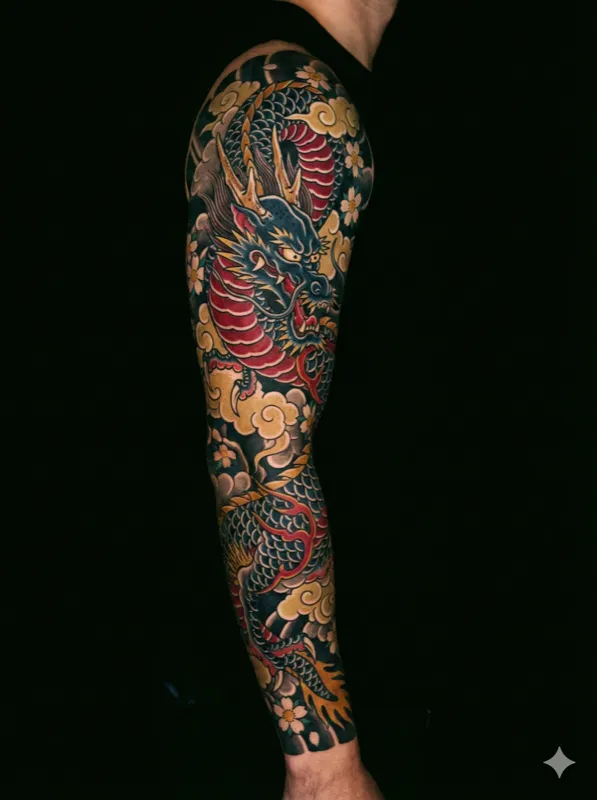
Choosing a tattoo artist is arguably more important than choosing the design itself. A skilled artist transforms ideas into art that lasts a lifetime. The wrong choice can result in regret, poor execution, or worse — health complications.
Unlike buying a product you can return, tattoos are permanent investments in your body. The artist you choose directly impacts not just how your tattoo looks fresh, but how it ages over decades, how safely the procedure is performed, and whether you'll feel proud or embarrassed when people ask about your ink.
In 2026, finding the right tattoo artist has become both easier and more overwhelming. Social media provides unprecedented access to portfolios worldwide, but it also creates noise. Knowing what to look for — and what to avoid — makes all the difference.
This comprehensive guide walks you through the complete process of selecting a tattoo artist you can trust with permanent art on your body.
Why Your Artist Choice Matters More Than You Think
Technical Skill Determines Longevity
According to tattoo health research, tattoos created with proper technique, appropriate depth, and quality ink maintain their clarity and vibrancy for decades. Poor technique causes blowouts, uneven fading, and designs that become unrecognizable within years.
The artist's technical skill affects:
- Line quality — Clean, consistent lines vs. shaky, inconsistent work
- Shading technique — Smooth gradients vs. patchy, uneven tones
- Color saturation — Vibrant, lasting color vs. washed-out, faded pigment
- Placement knowledge — Designs that work with your body vs. awkward, distorted compositions
Safety Standards Protect Your Health
Because tattooing breaks the skin barrier, proper sterilization and safety protocols are non-negotiable. The Centers for Disease Control notes that improper tattoo procedures can transmit bloodborne pathogens including hepatitis B, hepatitis C, and other infections.
A reputable artist ensures:
- Fresh, sterile needles for every client
- Single-use supplies and proper disposal
- Autoclave sterilization for reusable equipment
- Clean workspace maintained throughout sessions
- Current certifications in bloodborne pathogen safety
Artistic Vision Shapes Your Final Design
Technical skill alone isn't enough. The best tattoo artists combine craftsmanship with artistic vision — understanding composition, flow, and how designs interact with the body's three-dimensional form.
Great artists:
- Adapt generic concepts into unique, personalized designs
- Advise on placement that enhances rather than fights anatomy
- Suggest modifications that improve long-term wearability
- Balance your vision with their expertise
Step 1: Define Your Style and Preferences
Before searching for artists, clarify what you actually want.
Identify Your Preferred Tattoo Style
Tattoo artists typically specialize in specific styles. Choosing an artist skilled in your desired aesthetic is crucial.
| Style | Characteristics | Best For |
|---|---|---|
| Traditional | Bold lines, limited color palette, classic imagery | Timeless, iconic designs |
| Realism | Photorealistic detail, portrait work, complex shading | Portraits, nature scenes, detailed imagery |
| Fine Line | Delicate linework, minimalist aesthetic, subtle details | Understated, elegant designs |
| Neo-Traditional | Bold traditional foundation with modern color and detail | Classic subjects with contemporary flair |
| Blackwork | Solid black ink, geometric patterns, bold coverage | High-contrast, statement pieces |
| Watercolor | Soft edges, gradient colors, painterly effects | Artistic, expressive designs |
| Japanese (Irezumi) | Traditional Japanese imagery, specific compositional rules | Cultural themes, full body compositions |
Explore Instagram, Pinterest, and tattoo gallery sites using style-specific hashtags like #traditionaltattoo, #realismtattoo, or #fineline to identify what resonates with you.
Once you've identified your style preference, you can target your search toward artists who excel in that specific approach.
Consider Size, Placement, and Complexity
Different artists have different strengths:
- Large-scale work — Look for artists with experience in sleeves, back pieces, and multi-session projects
- Small, delicate pieces — Find specialists in fine line and micro-realism
- Specific placements — Some artists excel at tricky areas like hands, neck, or behind the ear
- Custom vs. flash — Determine if you want original custom work or are happy with pre-designed flash
Being clear about your preferences narrows your search significantly.
Step 2: Research and Find Potential Artists
Use Social Media Strategically
Instagram has become the primary portfolio platform for tattoo artists. Use it effectively:
Search by location and style:
- "Traditional tattoo [your city]"
- "#realismtattoo #[yourcity]"
- Browse location tags from local tattoo shops
Evaluate portfolios carefully:
- Scroll through their entire feed, not just highlights
- Look for consistency across multiple pieces
- Check if they post healed photos (typically marked "healed" or shown months/years later)
- Notice if they specialize or work in multiple styles
Engage authentically:
- Like and comment on work you genuinely admire
- Send a thoughtful DM expressing interest (avoid copy-paste messages)
- Respect response times — popular artists often have booking waitlists
Check Studio Websites and Reviews
Beyond Instagram, research studios and individual artist websites for:
- Pricing information and booking processes
- Client testimonials and reviews
- Studio photos showing cleanliness and professionalism
- Artist bios detailing experience and training
Review platforms to check:
- Google Reviews (look for patterns, not isolated complaints)
- Yelp (filter by recent reviews)
- Facebook (artist pages and tagged photos)
As noted by tattoo health professionals, multiple complaints about infections, poor customer service, or rushed work are serious red flags.
Ask for Recommendations
Personal recommendations carry weight:
- Ask friends and family about their artists
- Post in local community groups or subreddits
- Join tattoo-specific forums and Facebook groups
- Attend local tattoo conventions and observe artists in person
Seeing healed work in person provides valuable insight that photos can't always capture.
Step 3: Evaluate Artist Portfolios Critically
Look for Technical Excellence
A strong portfolio demonstrates:
Line Quality:
- Lines should be smooth, consistent, and intentional
- No shaky, scratchy, or uneven linework
- Proper line weight variation for depth and dimension
Shading Technique:
- Smooth gradients without patchiness
- Consistent saturation and tone
- Appropriate contrast and depth
Color Application:
- Vibrant, saturated colors (when fresh)
- Smooth color blending
- Colors that complement each other and the design
Composition:
- Designs that fit and flow with body placement
- Balanced visual weight
- Appropriate sizing for detail level
Judge by the Weakest Piece
As tattoo professionals advise, judge an artist by the weakest piece in their portfolio. If even their less impressive work meets quality standards, they're likely skilled and consistent.
Artists who only show their absolute best work might be hiding inconsistency.
Demand to See Healed Work
Fresh tattoos always look shinier, brighter, and more vibrant due to immediate inflammation and the artist's technique. What matters is how tattoos hold up once fully healed — typically 4-6 weeks after completion, though aging over years is even more telling.
Reputable artists maintain healed sections in their portfolios because they're confident in their long-term quality. If an artist refuses to show healed work or dismisses the request, consider it a warning sign.
Watch for Over-Editing
While good lighting and clean photography are necessary for showcasing work, excessive editing — including heavy filters, saturation boosts, or contrast manipulation — can obscure actual quality.
Look for:
- Natural lighting in photos
- Consistent photo quality (not heavily filtered)
- Multiple angles of the same tattoo
- Photos clearly showing detail
Step 4: Assess Safety and Professionalism
Verify Licensing and Certifications
Most states and countries require tattoo artists to maintain:
- Bloodborne pathogen training — Understanding disease transmission and prevention
- First aid certification — Responding to medical emergencies
- Business licensing — Legal operation of tattoo services
- Health department inspections — Regular studio safety reviews
Don't hesitate to ask about certifications. Reputable artists proudly display credentials and happily answer safety questions.
Observe Studio Cleanliness
When visiting for consultations, assess the environment:
Green Flags:
- Visibly clean floors, surfaces, and equipment
- Organized workspace with proper storage
- Sterilization equipment (autoclave) visible and in use
- Disposable supplies sealed until use
- Artists wearing fresh gloves for each client
Red Flags:
- Needles scattered or improperly stored
- Stains on floors, surfaces, or furniture
- Cluttered, disorganized workspace
- Reusable supplies without visible sterilization
- Artists not changing gloves between tasks
As health safety experts note, if you see scattered needles and stains, proceed at your own risk — or better yet, leave and find a cleaner studio.
Evaluate Communication and Respect
Professionalism matters as much as skill.
Positive Communication:
- Prompt responses to inquiries (within 24-48 hours)
- Clear booking policies and pricing
- Willingness to answer questions thoroughly
- Respectful, patient demeanor during consultations
- Collaborative approach to design
Warning Signs:
- Dismissive or condescating attitude toward client ideas
- Pressure to commit immediately without time to consider
- Upselling services you didn't request
- Rushing through consultations or brushing off concerns
- "God complex" behavior implying infallibility
Trust your instincts. If an artist makes you uncomfortable or dismisses your concerns, find someone else. You're trusting them with permanent art on your body — comfort and communication matter.
Step 5: Schedule and Prepare for Consultations
What to Bring to Your Consultation
Come prepared with:
- Reference images — Pinterest boards, screenshots, or printed photos showing styles, elements, or concepts you like
- Placement ideas — Know approximately where you want the tattoo
- Size preferences — Have a general idea of dimensions
- Budget range — Be realistic about what you can afford
- Questions list — Write down anything you want to ask
Essential Questions to Ask During Consultation
Don't feel shy about asking direct questions. Reputable artists expect and appreciate thorough clients.
About Experience:
- How long have you been tattooing professionally?
- What styles do you specialize in and enjoy most?
- Have you done designs similar to what I'm requesting?
About Design Process:
- How much creative freedom do you take vs. following my vision exactly?
- Can we make adjustments during the design phase?
- Will I see a drawing before the appointment?
- How do you handle design revisions?
About Technique and Longevity:
- How will this design age over time?
- Are there modifications you'd suggest for better longevity?
- What placement would work best for this design?
About Safety:
- Can you walk me through your sterilization process?
- How do you dispose of needles and other supplies?
- What should I do if I notice signs of infection?
About Aftercare:
- What aftercare instructions do you provide?
- Do you offer follow-up appointments to check healing?
- What's your policy on touch-ups if needed?
About Pricing and Timeline:
- What's the estimated cost and session length?
- Do you require a deposit, and is it refundable?
- What's your cancellation policy?
- How far in advance are you booking?
According to tattoo consultation guides, these questions help establish clear expectations and ensure you're working with a professional who prioritizes your safety and satisfaction.
Assess the Artist's Responses
Pay attention not just to answers, but to how the artist responds:
- Are they patient and thorough, or rushed and vague?
- Do they provide clear, confident answers or deflect questions?
- Are they honest about limitations or potential challenges?
- Do they seem genuinely interested in your vision?
A consultation is your opportunity to gauge compatibility. Trust your gut.
Step 6: Recognize and Avoid Red Flags
Immediate Disqualifiers
Walk away if you encounter:
Safety Violations:
- Visibly unsanitary conditions
- Reusing needles or supplies
- No visible sterilization equipment
- Artist not wearing gloves or changing them between tasks
Legal Issues:
- Operating without proper licensing
- Unwilling to provide identification or credentials
- Offering to tattoo minors without parental consent
- Working from home without proper permits (in jurisdictions where this is illegal)
Pressure Tactics:
- Pushing you to commit before you're ready
- Refusing to provide time to think about the design
- Making you feel guilty for asking questions or requesting changes
Concerning Warning Signs
These may not be instant disqualifiers but warrant caution:
Portfolio Concerns:
- Heavily filtered or edited photos hiding quality
- No healed photos available
- Inconsistent quality across pieces
- Specializing in everything (jack-of-all-trades, master of none)
Communication Issues:
- Unresponsive or unprofessional in messages
- Vague about pricing or policies
- Dismissive of your ideas or concerns
- Unwilling to collaborate on design
Reputation Problems:
- Multiple negative reviews mentioning similar issues
- Complaints about infections or poor hygiene
- Pattern of rushed or sloppy work
- Defensive or hostile responses to criticism
As tattoo safety advocates emphasize, trust your instincts. If something feels wrong, listen to yourself — you're not obligated to proceed.
Step 7: Understand Pricing and Value
What Influences Tattoo Pricing
Tattoo costs vary widely based on:
- Artist experience and reputation — Established artists command higher rates
- Geographic location — Urban studios typically cost more than rural shops
- Design complexity — Intricate details require more time and skill
- Size and placement — Larger tattoos and difficult placements cost more
- Color vs. black and gray — Color work often costs more due to additional materials
Most artists charge either:
- Hourly rates — Typically $100-$300+ per hour depending on experience and location
- Flat project fees — For specific designs with known scope
Why Cheap Tattoos Are Expensive
The old saying holds true: good tattoos aren't cheap, and cheap tattoos aren't good.
Experienced artists invest in:
- Quality inks and equipment
- Ongoing education and skill development
- Proper licensing and insurance
- Sterilization and safety protocols
- Time spent on custom design work
Artists offering significantly below-market rates are often:
- Inexperienced or cutting corners
- Using low-quality materials
- Rushing through work to maximize volume
- Operating without proper licensing or safety standards
A poorly executed tattoo costs far more in the long run when you factor in:
- Laser removal sessions ($200-$500 each, requiring 6-12+ sessions)
- Cover-up work from a more skilled artist
- Emotional regret and embarrassment
- Potential health complications from unsafe practices
Budget Appropriately
If budget is a concern:
- Start smaller — Get a smaller piece from your dream artist rather than a large piece from a cheap artist
- Save longer — Wait until you can afford quality work
- Consider payment plans — Some studios offer payment options for large projects
- Look for apprentice specials — Supervised apprentices offer lower rates while learning (still under experienced oversight)
Never compromise on safety and quality to save money on something permanent.
Step 8: Prepare for Your Appointment
Once you've chosen your artist and booked your session:
Physical Preparation
- Hydrate well — Drink plenty of water in the days before your appointment
- Get good sleep — Rest helps your body handle the physical stress
- Eat a solid meal — Never get tattooed on an empty stomach
- Avoid alcohol and blood thinners — These increase bleeding and affect ink application
- Moisturize skin — Well-hydrated skin takes ink better
Practical Preparation
- Wear appropriate clothing — Ensure easy access to the tattoo area
- Bring entertainment — Books, headphones, or podcasts for longer sessions
- Plan transportation — Don't drive if getting work in areas that might affect driving ability
- Bring snacks and water — Especially for long sessions
Mental Preparation
- Review the design — Ensure you're completely happy before the needle touches skin
- Communicate concerns — Speak up if anything feels wrong or uncomfortable
- Set realistic expectations — Understand the process takes time and involves discomfort
How AI Tools Enhance the Process
Modern technology transforms how people approach tattoo selection.
Our AI Tattoo Generator helps you:
- Visualize concepts before consulting artists — Generate dozens of variations to refine your vision
- Communicate more clearly — Show artists exactly what you're imagining
- Test different styles — Compare traditional, realism, fine line, and other styles with the same concept
- Preview on your body — Use the tattoo simulator to see designs on your actual skin
This doesn't replace artists — it enhances the consultation process. Artists appreciate clients who arrive with clear visions, and you feel more confident committing to permanent ink you've already previewed.
Explore AI-Generated Designs →
Final Thoughts: Trust the Process
Choosing the right tattoo artist requires research, patience, and trust in your instincts.
Key Takeaways:
- Define your style preferences before searching for artists
- Research thoroughly using portfolios, reviews, and recommendations
- Demand to see healed work, not just fresh tattoos
- Verify safety standards and licensing
- Schedule consultations to assess communication and compatibility
- Recognize red flags and walk away when necessary
- Understand that quality costs money — budget appropriately
- Use AI tools to refine your vision before consultations
The perfect tattoo artist combines technical skill, artistic vision, professional standards, and personal compatibility. When you find that person, you'll know.
Take your time. Ask questions. Trust your gut. Your skin deserves nothing less than the best.
Frequently Asked Questions
How far in advance should I book a tattoo artist?
Popular artists often book 2-6 months in advance, sometimes longer. Start your search early and be patient. Quality is worth the wait.
Can I negotiate tattoo prices?
While you can discuss budget constraints during consultations, attempting to haggle on price is generally considered disrespectful. Artists price based on their skill, experience, and costs. If the price exceeds your budget, consider a smaller design or save longer.
What if I don't like the design during the consultation?
Speak up immediately. Reputable artists want you to love your tattoo and will work with you on revisions. Most include a reasonable number of design adjustments in their process. Communication is key.
Should I tip my tattoo artist?
Yes, tipping is customary and appreciated. Standard tipping ranges from 15-20% of the total cost, similar to other service industries. Consider tipping more for exceptional work or multi-session projects.
What if my tattoo doesn't heal properly?
Follow aftercare instructions precisely. If you notice signs of infection (excessive redness, swelling, pus, fever), contact your artist immediately and consult a healthcare provider. Most reputable artists offer free touch-ups for healing issues if you followed proper aftercare.
Can I bring a friend to my tattoo appointment?
Policies vary by studio. Some artists prefer clients come alone to minimize distractions and maintain focus. Others allow one support person. Ask during booking what the studio's policy is.
Explore more: Tattoo Trends 2026 | First Tattoo: Beginner's Guide | Tattoo Aftercare Guide