Tattoo Placement Guide
The ultimate guide to tattoo placement. Where you place your tattoo matters as much as the design itself — find the perfect canvas for every style.
Place the tattoo on your own body
Reading about placement only gets you so far. Upload a photo of the area you are considering, describe the design, and see it on your own skin before you commit to it.
Do not upload nudity, sexual, or other adult/NSFW images — such content is not supported and will be rejected.
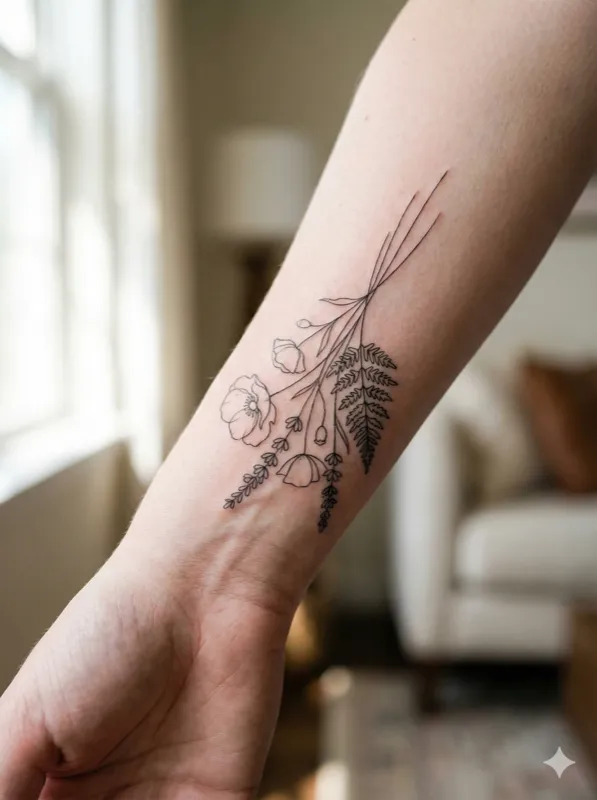
Fine-line botanical snake
“A delicate botanical snake wrapped around wildflowers”
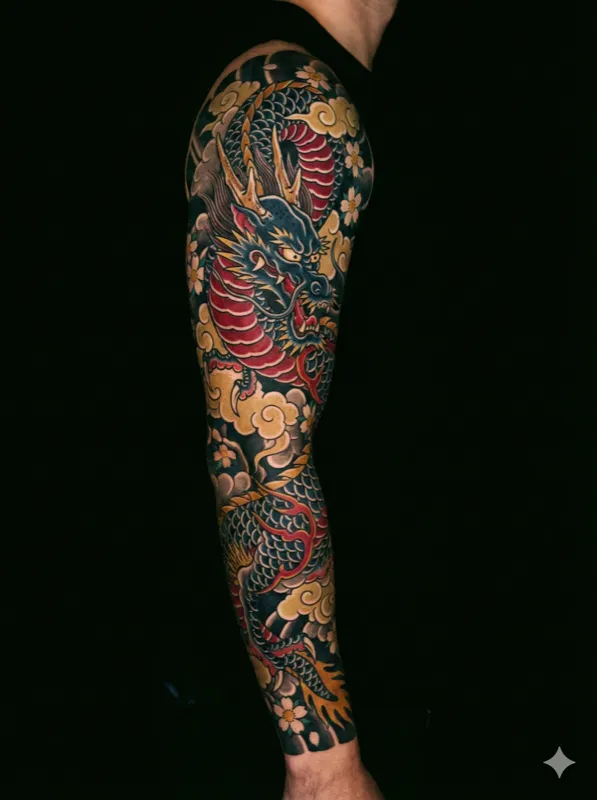
Japanese dragon sleeve
“A dragon coiling through wind bars and peony blossoms”
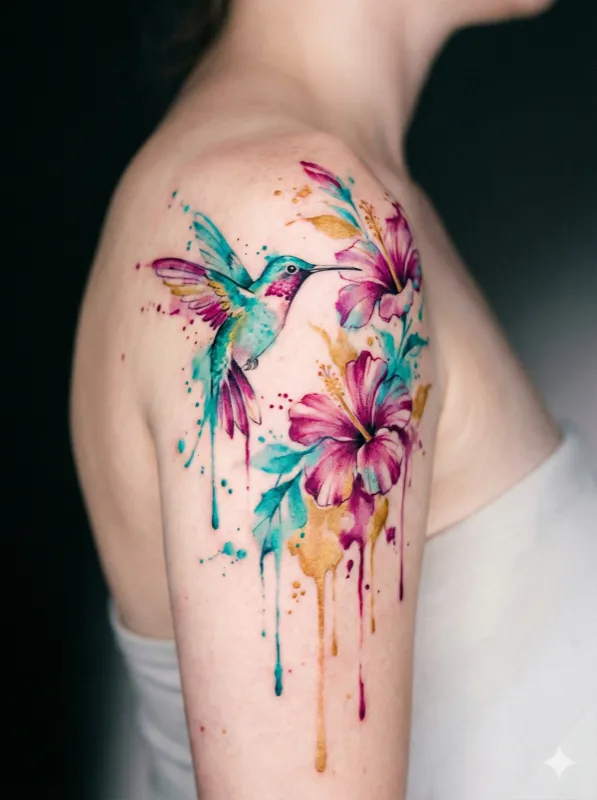
Watercolor hummingbird
“A hummingbird feeding from a trumpet flower”
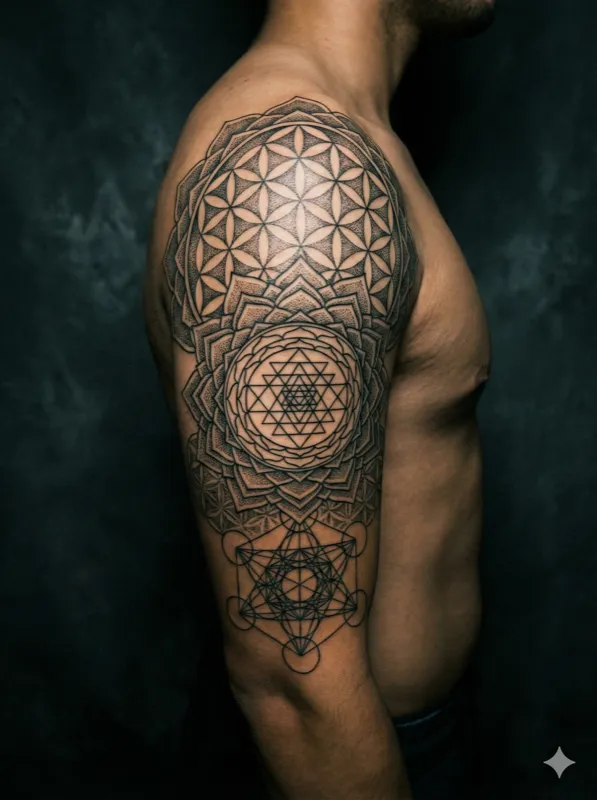
Geometric mandala
“A sacred geometry mandala with lotus petal motifs”
Your generated tattoo will appear here
Placement Visual Guide
How real tattoos look across different body areas.


Universal Placement Rules
These principles apply regardless of design or style.
Follow the Anatomy
Great tattoos flow with the body's natural contours. Designs should complement muscle shape, bone structure, and body movement — not fight against them. Vertical pieces on vertical surfaces, curves on curves.
Match Detail to Size
The placement must accommodate the design's detail level. A photorealistic portrait needs at least 5–6 inches of flat surface. A simple symbol can work at 1 inch. Don't shrink complex designs to fit small areas.
Consider Aging
Areas with frequent sun exposure (hands, forearms, neck) fade faster. Areas that stretch with weight changes (stomach, inner bicep) can distort. Inner wrist and ankle tattoos fade due to constant friction.
Visibility & Career
Hands, neck, and face tattoos are visible in every outfit. Consider your professional environment. Forearm and calf tattoos are visible in warm weather only. Torso, upper arm, and thigh offer easy concealment.
Leave Room to Expand
Many people continue collecting tattoos after their first. Leave enough negative space around a design to add more work later. Isolated pieces in the middle of large areas can be hard to build around.
Symmetry & Balance
If you're planning multiple tattoos, consider the overall body composition. Matching placements on both arms, or balanced front/back pieces, create visual harmony across your collection.
Placement Chart
Every common placement at a glance — pain, how much design it holds, how visible it is at work, and how it ages. Pain scores match our full pain chart.
Pain 2/10 · Holds a medium to large piece · Covered by a T-shirt sleeve · Ages well — thick muscle, stable skin. The default first tattoo for a reason.
Pain 3/10 · Medium piece or a stacked column · Visible with short sleeves · Ages well, though sun exposure fades colour faster here than on covered skin.
Pain 3/10 · Holds the largest single canvas on the body · Fully covered by clothing · Ages well; you will need photos or a mirror to see it.
Pain 2/10 · Large piece, easily a half sleeve equivalent · Covered except in shorts · Ages well; weight change shifts it more than most areas.
Pain 3/10 · Medium to large, wraps naturally · Visible in shorts · Ages well on the muscle, more sensitive on the shin side.
Pain 4/10 · Medium, reads well as script or a vertical piece · Visible with short sleeves · Thinner skin means fine lines soften a little sooner.
Pain 5/10, higher over the sternum · Large and symmetrical · Fully covered · Ages well over muscle; the sternum area is thinner skin.
Pain 5/10 · Small only · Hard to hide in most workplaces · Constant movement and thin skin — fine detail blurs faster than elsewhere.
Pain 8/10, the most commonly cited worst spot · Large, follows the body line · Fully covered · Skin stretches with breathing and weight, so plan for some movement.
Pain 8/10 · Long vertical pieces · Fully covered · The needle vibrates on vertebrae; sessions usually get split.
Pain 8/10 · Small to medium · Visible in most footwear · The fastest fading placement on the body — feet rub, and touch-ups are common.
Pain 8/10 · Small only · Impossible to hide · Ages worst of all — finger tattoos commonly need reworking within a few years.
Upper Body Placements
Arms, back, chest, and neck — the most popular tattoo real estate.
Forearm
The most popular placement overall. Great visibility, low pain, flat surface for detail. Inner forearm is ideal for script and fine line; outer forearm for bold illustrative work. Easy to extend into a sleeve.
Upper Arm / Half Sleeve
The deltoid and bicep area offers a large, curved canvas. Works for all styles. Easy to conceal with a t-shirt. The wrap-around cylinder shape is ideal for cohesive compositions and Japanese-style work.
Full Back
The largest flat canvas on the body. Reserved for ambitious, detailed pieces — Japanese back pieces, large-scale realism, or multi-element compositions. Requires multiple sessions (20–40+ hours).
Chest / Sternum
Bold, symmetrical designs work best. Chest panels (one or both pecs) suit traditional and Japanese styles. Sternum pieces (between breasts) are popular for ornamental and mandala work. Moderate to high pain.
Wrist / Inner Wrist
Perfect for small, meaningful pieces — symbols, dates, initials, tiny illustrations. Always visible. Inner wrist is slightly more painful. Be aware that wrist tattoos are exposed to constant friction and sunlight.
Neck / Behind Ear
High-visibility commitment. Behind-ear tattoos are subtle and easily hidden by hair. Side neck and throat tattoos are bold statements. Relatively high pain due to thin skin and nerve density.
Lower Body Placements
Legs, feet, and hips — more canvas than you think.
Thigh
One of the largest, lowest-pain canvases. The outer thigh is great for bold, wide designs. The front thigh accommodates vertical compositions. Inner thigh is more private and painful. Very versatile.
Calf
A popular spot for detailed, vertical designs. The cylindrical shape works well for traditional, Japanese, and illustrative styles. Visible in shorts, concealed in pants. Low-moderate pain.
Ankle
Small, delicate designs — bands, wraps, and minimal pieces. Visible year-round if you wear low shoes. Moderate-high pain due to thin skin over bone. Slower to heal due to friction from footwear.
Hip / Side
Very concealable — visible only in swimwear. The hip bone area is moderate pain; the fleshy side is more comfortable. Popular for flowing botanical designs and script. Consider weight fluctuation.
Knee / Shin
The kneecap is one of the most painful spots. The shin is bony but tolerable. These areas connect thigh and calf pieces into full leg sleeves. Bold blackwork and geometric patterns suit the angular surfaces.
Foot / Toes
Small, decorative pieces on the top of the foot or toe rings. High pain, slow healing, and fast fading due to shoes, socks, and sun. Frequent touch-ups needed. Not recommended for first tattoos.
Placement by Visibility
Plan your tattoo visibility based on your lifestyle and profession.
Always Visible
Hands, fingers, face, neck, behind ear. These tattoos are seen in every outfit and every situation. Consider workplace policies and social perceptions before committing to these placements.
Visible in Short Sleeves
Forearm, lower arm, wrist. Hidden under long sleeves but visible in casual clothing. The most common 'visible but manageable' placement choice for professionals.
Visible in Warm Weather
Upper arm, calf, lower leg, ankle. Concealed by business attire year-round. Visible in t-shirts, shorts, and summer clothing. The sweet spot for most people.
Easily Hidden
Chest, back, ribs, upper thigh, hip, shoulder blade. Concealed in almost all clothing. Only visible in swimwear or intimate situations. Maximum flexibility for professional life.
Concealable with Hair
Behind ear, nape of neck, scalp. Can be hidden or revealed depending on hairstyle. A creative option for people who want control over visibility without clothing constraints.
Seasonal Visibility
Feet, ankles, and areas typically covered in winter. Consider that these placements will be invisible for months in cold climates. Factor this into your placement decision if you want to show off your ink.
Placement FAQ
Tattoos on the upper arm, upper back, and thigh tend to age best — they get less sun exposure, less friction, and minimal stretching. Hands, feet, and finger tattoos fade fastest. Areas prone to weight change (stomach, inner arm) may distort.
Yes. Curved areas (shoulder, calf) suit flowing styles like Japanese and neo-traditional. Flat areas (forearm, back) work for any style including geometric and realism. Bony areas (fingers, wrist) are limited to simple, bold designs.
Yes, but the scar must be fully healed (at least 1–2 years old). Scar tissue takes ink differently — it may require more passes and the texture won't match surrounding skin. A skilled artist can design around or incorporate scars.
Outer upper arm, outer thigh, or shoulder blade. These areas are low pain, easy to conceal, offer good canvas size, and age well. They give you the best first experience with minimal discomfort.
Moderate weight changes usually don't significantly affect tattoos. Rapid or extreme weight loss/gain can cause distortion, especially on the stomach, inner arms, and thighs. Gradual changes are less impactful.
Yes. Upload a photo of any body area to our AI tattoo generator and it will render a realistic preview showing how a design would look in that exact placement — including skin tone matching and natural contours.
Preview Your Perfect Placement
Upload a photo of any body area and see how your tattoo will look.