
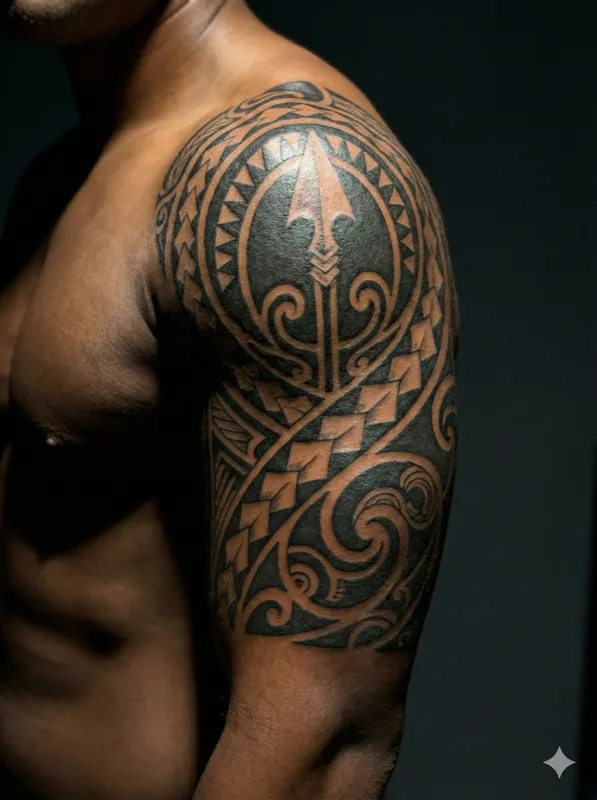
That tattoo you got at 19 seemed like a great idea at the time. Maybe it was an ex's name, a trendy tribal design, or just something that hasn't aged well. Whatever the reason, you're not alone — approximately 25% of people with tattoos regret at least one of them, according to dermatology research.
The good news? A skilled cover-up artist can transform almost any tattoo into something you'll actually love. This guide covers everything you need to know about cover-up tattoos: the techniques that work, the designs that conceal best, and how to find the right artist for your transformation.
What Is a Cover-Up Tattoo?
A cover-up tattoo is new artwork designed specifically to conceal an existing tattoo. Unlike a simple touch-up or rework, cover-ups completely disguise the original design using strategic placement, darker colors, and clever design elements.
The key principle is straightforward: new ink goes over old ink. But execution requires genuine artistry. The cover-up must account for:
- The original tattoo's colors, lines, and saturation
- Scar tissue from the original work
- Your skin type and how it holds ink
- The placement and size requirements
When done well, no one should be able to tell there was ever another tattoo beneath.
Cover-Up vs. Laser Removal: Which Should You Choose?
Before diving into cover-up options, it's worth understanding when laser removal might be the better path — or when combining both approaches makes sense.
| Factor | Cover-Up Tattoo | Laser Removal |
|---|---|---|
| Cost | $200-$1,500+ (one-time) | $200-$500 per session (3-10 sessions typical) |
| Time | 1-3 sessions | 6-18 months of treatments |
| Pain | Similar to regular tattoo | Often described as more intense |
| Result | New tattoo | Clean skin (or significantly faded) |
| Design freedom | Limited by existing ink | Complete freedom |
| Best for | Those wanting new art | Those wanting blank slate |
When to Choose Cover-Up
- You want new artwork in that location
- Your existing tattoo is faded or light-colored
- Budget is a concern
- You want faster results
When to Choose Laser
- You want completely clear skin
- The original tattoo is very dark or saturated
- You want maximum design freedom for future work
- The tattoo contains colors difficult to cover (white, yellow, light pink)
The Hybrid Approach
Many artists recommend 1-3 laser sessions before a cover-up for heavily saturated tattoos. This fading process gives your artist more flexibility with design and color choices, often resulting in cleaner, more vibrant cover-ups.
Dr. Emily Chen, a dermatologist specializing in tattoo removal at NYU Langone, notes: "Even partial laser fading can dramatically expand cover-up possibilities, particularly for dense black work or large pieces."
Best Tattoo Cover-Up Ideas by Style
Not all designs work equally well for cover-ups. Here are the most effective styles:
1. Floral Designs
Flowers are the gold standard for cover-ups, and for good reason. Rose petals, flower clusters, and botanical arrangements offer:
- Natural shadowing that disguises underlying lines
- Organic shapes that adapt to irregular existing tattoos
- Color flexibility from bold traditional to soft watercolor styles
- Scalability — works for small names to large pieces
Best for covering: Names, small symbols, faded tribal work, script tattoos
2. Animal and Wildlife Tattoos
Animals with detailed fur, feathers, or scales excel at concealment. Popular choices include:
- Lions and wolves — dense fur texture hides old lines
- Eagles and owls — wing feathers create natural shadows
- Snakes — flowing body shape adapts to almost any existing design
- Koi fish — scales and water elements provide excellent coverage
Best for covering: Medium-sized tattoos, portrait work, geometric designs
3. Mandala and Geometric Patterns
The intricate, layered nature of mandalas makes them exceptional cover-ups:
- Complex patterns draw the eye away from hidden elements
- Circular designs can encompass and absorb various shapes
- Black and grey work provides maximum coverage
- Spiritual symbolism adds meaningful transformation
Best for covering: Name tattoos, small to medium pieces, centered designs
4. Japanese Traditional (Irezumi)
Japanese-style tattoos feature bold black outlines and strategic color saturation that work beautifully for cover-ups:
- Dragons wrap around and incorporate existing shapes
- Peonies and chrysanthemums provide dense coverage
- Waves and clouds fill background areas seamlessly
- Koi and foo dogs offer dynamic compositions
Best for covering: Large pieces, arm bands, tribal work
5. Blackout and Blackwork
For tattoos that seem impossible to cover traditionally, blackout techniques offer a powerful alternative:
- Solid blackout — complete black saturation over the area
- Negative space blackwork — black background with skin-tone designs left exposed
- Geometric blackwork — bold black patterns and shapes
Best for covering: Heavy color saturation, scarred skin, multiple small tattoos in one area
6. Neo-Traditional and New School
These styles feature:
- Bold, thick outlines that mask old lines
- Vibrant, saturated colors for complete coverage
- Dynamic compositions with depth and dimension
- Ability to incorporate various elements creatively
Best for covering: Faded traditional tattoos, portrait work, medium to large pieces
Technical Considerations for Successful Cover-Ups
Understanding the technical aspects helps set realistic expectations.
Size Requirements
The general rule: your cover-up should be at least 3 times larger than the original tattoo. This gives the artist space to:
- Incorporate the old design strategically
- Add surrounding elements for seamless integration
- Use negative space effectively
- Create proper visual balance
Trying to cover a tattoo with something the same size rarely works well. Accept that your new piece will be bigger — and plan accordingly.
Color Strategy
Color physics determine what's possible in cover-ups:
| Old Tattoo Color | Cover-Up Colors That Work |
|---|---|
| Faded black/grey | Most colors |
| Blue | Darker blues, black, purple |
| Red | Dark red, black, brown |
| Green | Darker greens, black, blue |
| Yellow/Orange | Very difficult — often needs laser first |
| White | Challenging — may need laser assistance |
The key principle: you can only go darker, not lighter. Blues, browns, and blacks are the most effective cover-up colors because they fully absorb light and conceal what's beneath.
Scar Tissue Considerations
If your original tattoo has scarring (common with heavy-handed work or home tattoos), additional factors come into play:
- Scar tissue holds ink differently than healthy skin
- Multiple sessions may be needed
- Design should work with the texture, not against it
- Some artists specialize in scar cover-ups specifically
Be honest with your artist about any scarring during consultation.
Three Approaches to Cover-Up Work
Experienced cover-up artists typically use one of three strategies:
1. Complete Coverage
The original tattoo is entirely hidden beneath the new design. This requires:
- Larger size than the original
- Darker colors and heavier saturation
- Strategic design placement
- Multiple sessions for dense work
Best for: Tattoos you want completely gone from view
2. Creative Reinvention
Elements of the original tattoo are incorporated into the new design. For example:
- Turning a name's letters into parts of a larger illustration
- Using old linework as the skeleton for new artwork
- Incorporating symbols into a larger composition
Best for: Tattoos with good linework but outdated concepts
3. Blast Over
Bold new lines and elements are tattooed directly over the old work without attempting to hide it completely. The original shows through intentionally, creating layered visual depth.
Best for: Faded pieces, those wanting an artistic statement, traditional-style cover-ups
Finding the Right Cover-Up Artist
This is arguably the most important step. Cover-ups require specialized skills that not all tattoo artists possess.
What to Look For
Portfolio with cover-up work: Ask to see healed photos, not just fresh tattoos. Any artist's work looks better immediately after — you need to see how their cover-ups hold up over time.
Before and after documentation: The best cover-up artists photograph the original tattoo and the completed cover-up side by side.
Style alignment: Choose an artist whose natural style fits what you want. A traditional artist may struggle with fine-line work, and vice versa.
Honest consultation: Good artists will tell you what's realistic. Be wary of anyone who promises perfect results without thoroughly assessing your existing tattoo.
Questions to Ask During Consultation
- How many cover-ups have you done?
- Can I see healed examples of similar work?
- Do you think I need laser sessions first?
- What size will this need to be?
- How many sessions will it take?
- What's your process for designing cover-ups?
Red Flags
- Unwillingness to show previous cover-up work
- Promising results that seem too good
- Rushing the consultation process
- Not asking to see your existing tattoo in person
- Quoting without proper assessment
Using AI to Design Your Cover-Up
Modern AI tattoo generators can be powerful tools in your cover-up journey. Here's how to use them effectively:
Generate design concepts: Use AI to explore different styles and see how various elements might work with your existing tattoo's shape and placement.
Communicate with artists: Show AI-generated concepts to your cover-up artist as reference. They can adapt and improve upon these ideas with their expertise.
Visualize possibilities: If you're unsure what style you want, AI can quickly generate dozens of options — florals, animals, geometric patterns — helping narrow your preferences.
Experiment freely: Unlike committing to a tattoo, AI designs are free and instant. Generate 50 different concepts until something resonates.
However, remember that AI designs are starting points. Your cover-up artist needs to adapt any design to work with your specific existing tattoo, skin type, and placement requirements.
Cover-Up Tattoo Aftercare
Cover-up tattoos often require extra care during healing because the skin has been tattooed before:
- Expect more swelling than a first-time tattoo
- Healing may take longer (3-4 weeks instead of 2-3)
- Follow artist instructions precisely — they know your specific situation
- Avoid picking or scratching even more carefully, as the area is more vulnerable
- Schedule touch-ups if needed — cover-ups sometimes require minor adjustments
Frequently Asked Questions
Can any tattoo be covered up?
Almost any tattoo can be covered or transformed, though some require laser fading first. Very dark, saturated tattoos or those with heavy scarring present the most challenges.
Are cover-up tattoos more painful?
Pain levels are generally similar to regular tattoos. However, if there's scar tissue or the area has been tattooed multiple times, sensitivity may be increased.
How long should I wait after my original tattoo to get a cover-up?
Your original tattoo should be fully healed — typically 3-6 months minimum. If you've had laser removal, wait until the skin has recovered completely between treatments.
Will the old tattoo show through over time?
With proper execution, no. A well-done cover-up accounts for how ink settles and fades over time. That said, choosing an experienced cover-up specialist is crucial.
Can I cover up a cover-up?
Yes, though each layer makes the next more challenging. If your first cover-up didn't work well, laser fading before the next attempt is often recommended.
How much do cover-up tattoos cost?
Cover-ups typically cost more than standard tattoos due to the additional expertise and time required. Expect to pay 30-50% more than a similar-sized original piece. Complex cover-ups involving heavy saturation or large areas may require multiple sessions.
Transform Your Tattoo Regret Into Art
A tattoo you regret doesn't have to stay that way. With the right artist, design, and approach, that unwanted ink can become artwork you're genuinely proud of.
The key steps:
- Assess your existing tattoo honestly — size, color, saturation, any scarring
- Research cover-up styles that appeal to you and work technically
- Find a specialist artist with proven cover-up experience
- Consider laser fading if your artist recommends it
- Trust the process — good cover-ups take time and expertise
Your transformation journey starts with exploring what's possible. Whether you use AI design tools to brainstorm concepts or head straight to a consultation with a cover-up specialist, the path to loving your ink again is absolutely achievable.
Ready to see what your cover-up could look like? Try generating design concepts with our AI tattoo tool and bring your favorites to your consultation.